Why every RV should have a TPMS
Trailer tires work hard: heavy loads, highway speeds, and long stretches where you can't see them. A slow leak or an overheating tire usually gives you some warning, but not from the driver's seat. A tire pressure monitoring system (TPMS) shows the pressure and temperature of every RV tire on a screen in the cab and alarms when one drops or heats up, so you can pull over before a slow leak becomes a blowout that tears up a fender, the underbelly, or worse. For the price of one good tire, it's peace of mind and protection for a big investment.
This guide is written from our setup on a 2026 Alliance Paradigm 310RL, but it applies to any travel trailer, fifth wheel or motorhome.
Two ways to do it
1. Use your truck's built-in trailer TPMS
Some newer trucks can show trailer tire pressures on the dash. GM's trailering app does this on the 2019+ Silverado and Sierra 1500 and 2020+ 2500HD/3500HD with the Advanced (Chevy) or ProGrade (GMC) Trailering System. You install GM-compatible sensors inside the trailer wheels, have them learned to the truck, and the pressures and temperatures show up in the trailering app.
Things to know before you go this way:
- Distance limit. GM says the truck only reads trailer sensors on axles within about 23 feet of the rear of the truck. On a long fifth wheel, measure from the tailgate to the trailer axles before you buy.
- Valve stem size. GM's trailer sensors mount as valve stems inside the wheel. Many RV wheels use a 0.625" valve hole, and GM-compatible stems for that size are sold separately, for example these GM valve stems for 0.625" rim holes.
- Installation. The tires have to come off the wheels to install internal sensors.
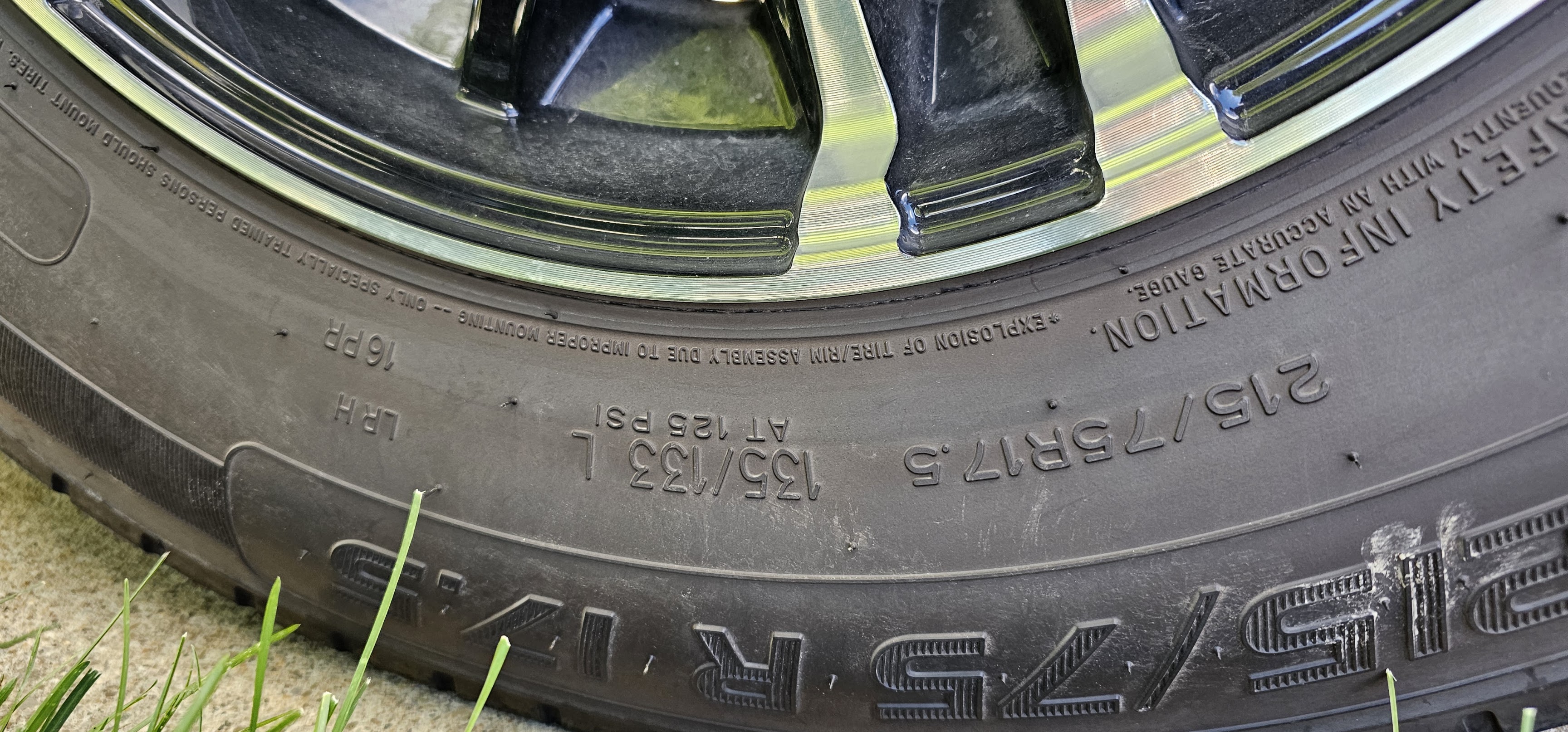
What happened for us: I really liked the idea of seeing every tire, truck and RV, on the truck's own screen, and I planned to use GM-compatible stems. But the local tire shops were hesitant to install them. Our rig rides on load range H tires (215/75R17.5, rated to 125 psi), and tires at that pressure are inflated inside a safety cage, which the shops we called didn't have. A commercial truck tire shop is the right place for that work, and it's where we'll go when it's time to replace the tires. In the meantime, we went with a standalone system.
2. Use a standalone TPMS
Standalone systems such as TST, TireMinder and EEZTire use their own sensors and their own monitor. Cap sensors screw onto the valve stems in a minute, with no tire shop needed. Most kits include a signal repeater for long rigs, and many can monitor the tow vehicle's tires too.
What we use: the TST 770 series. It shows the pressure and temperature of every rig tire on a 5" color touchscreen in the truck and has worked great for us.
The 310RL's built-in TPMS repeater
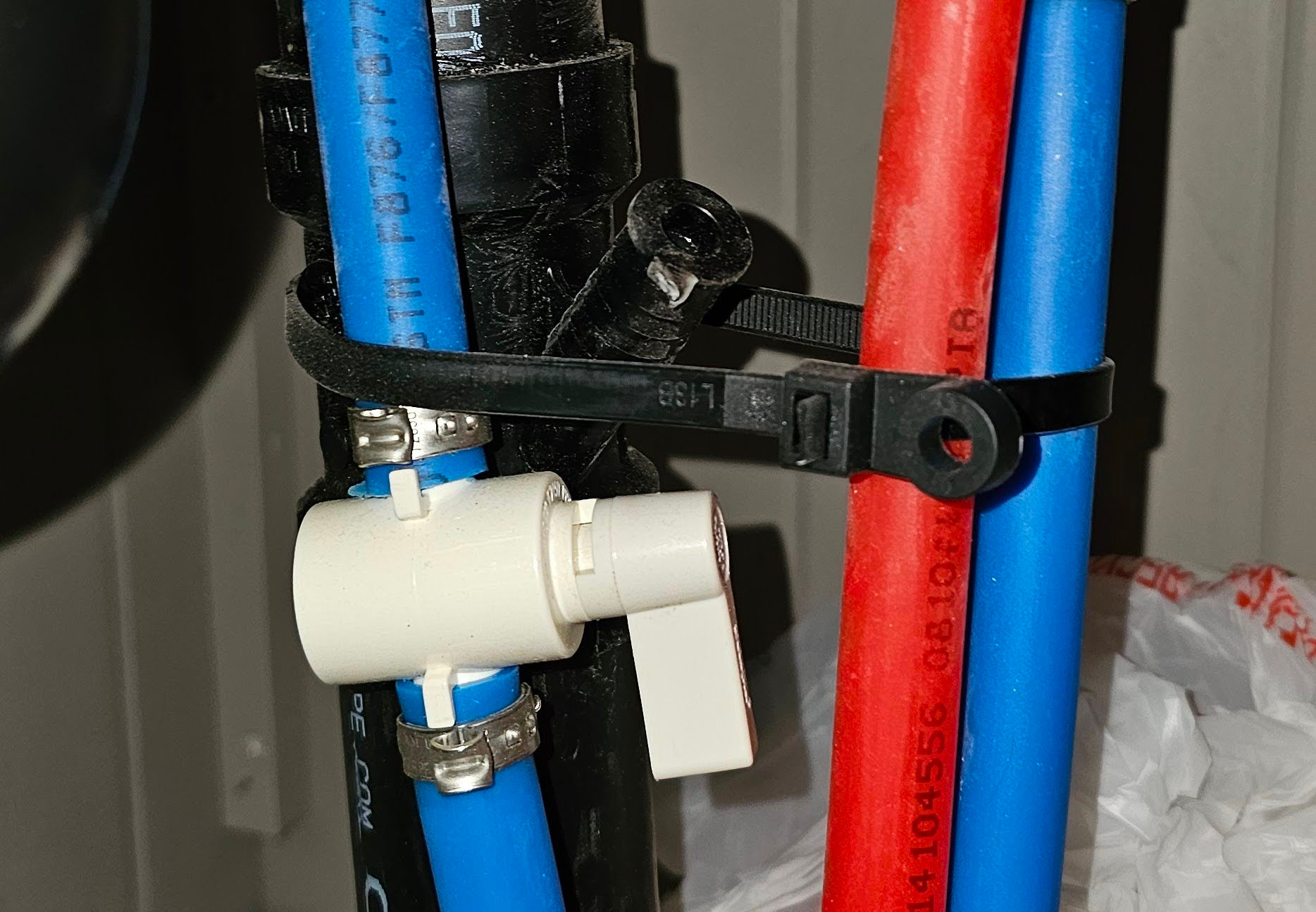
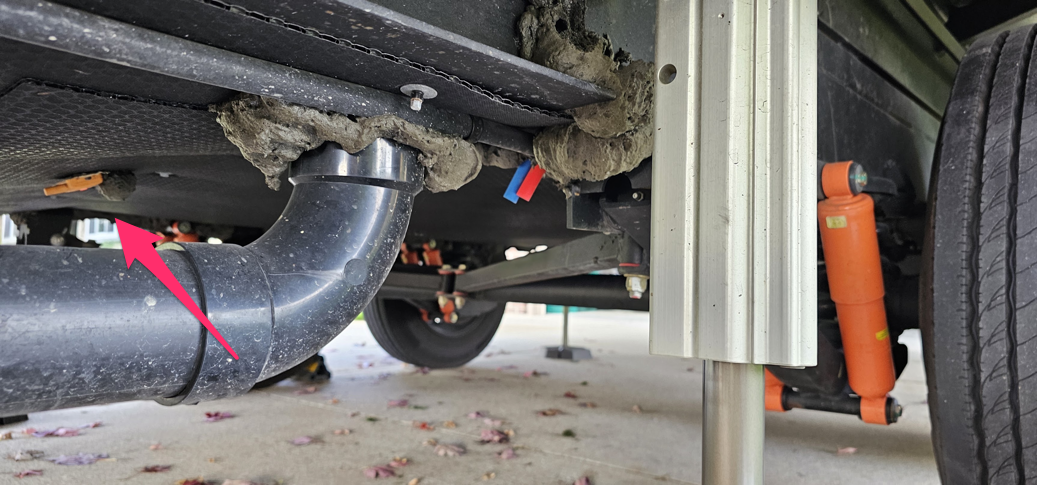
Alliance's "TPMS prep" is a factory-installed signal repeater that boosts the sensor signal from the trailer tires into the truck cab, so you don't need to install the repeater that comes with most kits. Some owners have had trouble finding theirs. On our 2026 310RL it's mounted on the underbody, just in front of the axles. If you can't find yours, look under the rig in that area before buying a separate repeater.
A quirk to know: no alarm when you drive away
When we drop the rig at our storage lot and drive away, the TST monitor doesn't alarm, even 2 to 4 miles down the road. I expected a "lost signal" warning right away, and other owners have noticed the same thing.
Here's why. To save battery, TPMS sensors transmit on an interval and immediately when pressure changes quickly. The monitor keeps showing the last reading it received until a sensor has been silent for a while. TST owners report the no-signal alarm takes about an hour, and the timer resets every time a sensor checks in.
What that means on the road:
- A slow leak or a fast pressure drop is reported right away, which is what a TPMS is for.
- If a sensor stops reporting (dead battery, a sensor knocked off, a wheel lost entirely), the monitor can keep showing the last good reading for a while.
- So it's not a replacement for a walk-around. At every stop, glance at the screen and make sure the temperatures are changing as you drive, and replace sensor batteries on schedule.
Other tire checks
- Check lug nut torque after the first tows and after any tire change.
- Check tire date codes when you buy the rig and when you replace tires.
- Centramatic wheel balancers are an owner-installed mod some 310RL owners like.